Advertisement · Educational Presentation
The Quiet Kitchen Ritual Built Around Honey That Has Women and Men Over 50 Talking
Long before supplement aisles existed, a spoonful of honey held a place in evening routines passed down through generations. This video walks through that tradition, what curiosity has recently circled back to about honey, and why so many people in their fifties, sixties, and beyond are taking a second look at something so ordinary.
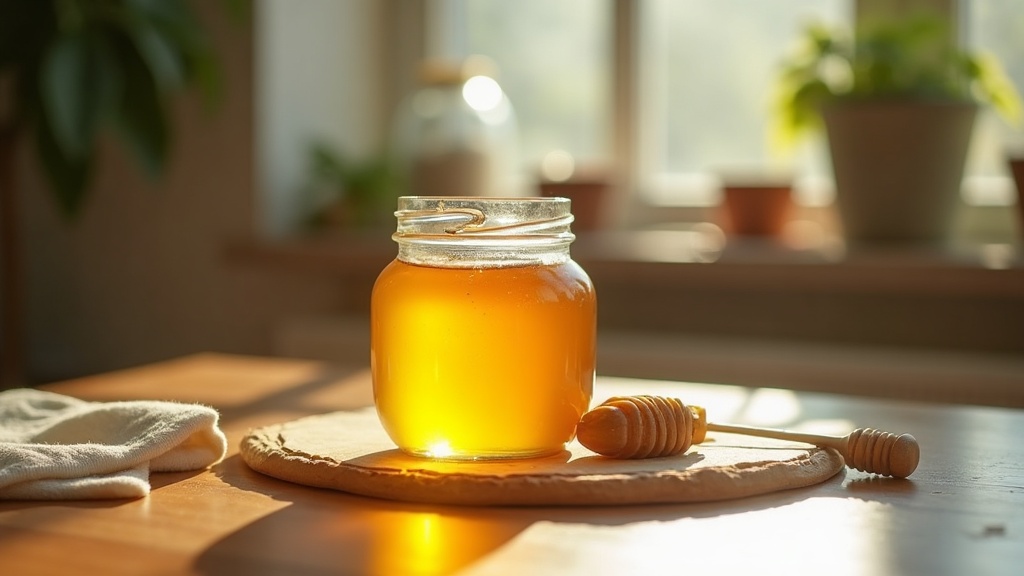
Why Memory Shifts After 50
It rarely announces itself. It’s the name that sits on the tip of the tongue a beat too long, the honey jar left open on the counter while the mind wanders somewhere else entirely. Understanding what’s actually changing underneath is the first step before anything else makes sense.
The Slower Recall Curve
Retrieval speed — not storage — is often what changes first. The information is still there; the path to it simply takes an extra second or two, which can feel disproportionately frustrating.
Shifting Sleep Architecture
Deep sleep stages naturally shorten with age, and much of the day's consolidation work happens precisely during those stages, making sleep quality a quiet variable in daily sharpness.
Nutrient Absorption Changes
Digestive efficiency for certain micronutrients tends to decline gradually over decades, an unglamorous but well-documented part of aging that rarely gets discussed at the dinner table.
The Cumulative Weight of Daily Stress
Chronic low-grade stress accumulates differently after 50, and its effects on focus and recall compound in ways that are easy to underestimate from year to year.
Myths vs. Facts
Kitchen-table wisdom about aging and memory is full of half-truths. A few of the most common ones deserve a closer, calmer look.
Forgetting things occasionally means something is seriously wrong.
Occasional forgetfulness is a normal, universal part of aging and is not, by itself, a sign of a medical condition.
Once cognitive changes start, there’s nothing to do but accept it.
Daily habits, sleep, stress management, and nutrition are all areas people can thoughtfully examine and discuss with a healthcare professional.
Traditional ingredients like honey are just old wives’ tales with no real interest behind them.
Honey has a long documented history across cultures as part of evening routines, and it continues to draw genuine curiosity in wellness conversations today.
A Simple Way to Approach the Evening Ritual
This isn’t a regimen or a protocol — it’s closer to how a habit gets noticed, tried, and quietly kept, or set aside.
Notice the Pattern
Before changing anything, most people simply start paying attention: what the evening actually looks like, what’s rushed, what’s skipped, and where a small ritual might fit naturally.
Reintroduce a Small Ritual
Many describe returning to something simple and unhurried in the evening — the kind of small, deliberate pause that a warm drink or a spoonful of honey has represented in households for generations.
Observe Without Rushing to Conclusions
Change, if any, tends to be noticed gradually and personally rather than measured on command — which is exactly why patience and realistic expectations matter here.
Where This Tradition Actually Comes From
Honey’s place in evening routines isn’t a modern marketing invention. Historical records from Mediterranean, Middle Eastern, and Asian households describe it being stirred into warm drinks or taken plainly before bed, often framed as part of a broader rhythm of rest and recovery rather than as any kind of remedy. That framing — ritual over remedy — is worth sitting with, because it reflects how many older traditions treated small, repeated habits as part of a lifestyle, not a fix.
The most consistent thread across these traditions isn’t the honey itself — it’s the consistency of a calm, unhurried moment built into the end of the day.
Signs Worth Paying Attention To
Repeating the Same Question or Story
Asking the same question multiple times within a short conversation, without recalling having asked it before.
Getting Turned Around in Familiar Places
Feeling disoriented in a neighborhood, store, or route that has been familiar for years.
Trouble Following Multi-Step Instructions
Losing track partway through a recipe, a set of directions, or an appliance manual that once felt straightforward.
Misplacing Items in Unusual Spots
Finding everyday objects — keys, glasses, remotes — in places that don't make logical sense in hindsight.
Pulling Back from Social Plans
Gradually avoiding gatherings or conversations that once felt easy, sometimes out of a quiet worry about forgetting names or details.
Mood Changes Alongside Memory Concerns
Noticing increased irritability, anxiety, or low mood showing up around the same time as memory lapses.
What People Are Saying

These reflect individual opinions and experiences shared voluntarily. They are not a guarantee of any particular outcome, and results or perceptions vary from person to person.
Frequently Asked Questions
No. This content is educational and explores a historical ritual and general wellness topics. It does not diagnose, treat, cure, or prevent any disease or condition.
Because honey has a long, well-documented place in evening rituals across multiple cultures, and that history is the subject the presentation walks through.
Anyone with a medical condition, including diabetes, should speak with a healthcare professional before changing their diet or routine in any way.
It’s designed to be watched in one sitting, at a relaxed pace, without requiring any prior knowledge of the topic.
The video references a broader presentation related to the topic discussed. No specific product claims are made on this page.
No. Nothing here is a substitute for professional medical advice, diagnosis, or treatment. Always consult your physician with questions about your health.
It’s aimed at adults 50 and older who are curious about traditional rituals, general wellness topics, and the everyday realities of aging.
Curious What the Full Video Covers?
The presentation walks through the tradition, the history, and the questions worth asking — at your own pace, with no pressure.
Advertising Disclosure: This is sponsored content created for advertising purposes. This page may contain affiliate links, and the site owner may receive compensation if you click a link or make a purchase through those links. This compensation may impact how and where products or offers appear on this page. Not all products, services, or offers are represented in this content.
Content Disclaimer: The information provided on this page is for educational and informational purposes only and is not intended as medical advice. This content has not been evaluated by the Food and Drug Administration. Nothing on this page is intended to diagnose, treat, cure, or prevent any disease or medical condition. Always consult a qualified healthcare professional before making any changes to your diet, lifestyle, or health routine.
Results Disclaimer: Any testimonials, opinions, or experiences shared on this page are individual accounts and are not a guarantee of any particular result. Individual results vary from person to person, and past experiences do not guarantee similar outcomes for anyone else.
© 2026 · All Rights Reserved · dsdetailingwork.com · Questions? Visit our /contact/ page.